Showing: 41 - 49 of 49 RESULTS
Blogs California SoCal Mountain Towns

A Day Trip to Julian, CA

Nestled in the picturesque mountains of San Diego County, Julian is a charming historic town that comes alive with fall foliage and a cozy atmosphere. Julian is renowned for its apple orchards and the delicious apple pies made from the locally grown fruit. Visitors often indulge in freshly baked apple pies, cider, and other apple-infused treats. My parents and I recently visited for the first time this Autumn. Here’s how we spent the day along with some tips and recommendations to help you plan a trip! Enjoy!

Hiking Stonewall Peak

We began our day by heading to Cuyamaca Rancho State Park to conquer Stonewall Peak. The trailhead is just a short drive from Julian, and the hike offers an easy/moderate accent with a rewarding payoff. The final stretch requires you to climb granite steps, offering panoramic views all the way up to the summit.

Lunch at Julian Beer Company

After our hike up Stonewall Peak, we rewarded ourselves with beer and pizza at Julian Beer Co. We sat out on the patio and enjoyed the beautiful Autumn weather, Julian Beer Co boasts a diverse selection of brews, from hoppy IPAs to rich stouts, and their pizza and BBQ is delicious. It was so packed on a Saturday but we were surprised how quickly we were still able to get our food.

Explore Downtown

The heart of the town is lined with historic buildings and quaint storefronts. After lunch, we spent a little time shopping around Main Street, where you’ll discover everything from antique treasures to locally crafted goods. Julian is particularly known for its art galleries, showcasing the work of talented local artists. Don’t miss the opportunity to pop into the various specialty shops offering handmade crafts, artisanal souvenirs, and, of course, more delicious apple treats.

Apple Pie!

No visit to Julian is complete without treating your taste buds to a slice of heaven from the renowned Julian Pie Company. From classic apple pie to mouthwatering combinations like apple-berry or Dutch apple caramel, the Julian Pie Company offers a slice of perfection for every palate. Whether you choose to enjoy your slice on-site with a scoop of vanilla ice cream or take a whole pie home to share, the sweet, flaky goodness of Julian Pie Company’s creations is a quintessential part of the Julian experience. Pro Tip: they actually have a second location you can find on your way out of the town that typically has a shorter line than the one on Main Street!

More Things to Do

Julian Pie Company was our final stop, but here are a few other top activities to check out if you have the time!

Apple Picking: Several orchards in the area allow visitors to handpick their favorite varieties of apples, creating a memorable and family-friendly activity. Whether you’re searching for the perfect ingredients for a homemade pie or just want to enjoy the satisfaction of plucking apples straight from the tree, this seasonal delight adds a touch of harvest magic to your Julian adventure. Check with local orchards for their picking schedules, as the apple harvest season typically peaks in the fall, making it an ideal time to engage in this traditional and enjoyable activity.

Wine Tasting: Explore the local wineries around Julian and savor the flavors of regional wines. Some wineries offer tastings in a picturesque setting, allowing you to relax and enjoy the scenic beauty of the surrounding vineyards.

Ghost Tours: Given its rich history, Julian has its share of tales and legends. Consider taking a ghost tour to delve into the town’s spooky past. Knowledgeable guides share stories of the paranormal, adding a unique and eerie dimension to your visit.

Eagle and High Peak Mine Tour: Gain insight into Julian’s gold rush history by taking a guided tour of the Eagle and High Peak Mine. Venture underground to explore the tunnels and learn about the challenges faced by miners during this pivotal period.

Volcan Mountain Wilderness Preserve: If hiking Stonewall Peak has left you craving more outdoor adventure, consider exploring the Volcan Mountain Wilderness Preserve. The trails offer a chance to connect with nature and enjoy breathtaking views of the San Diego backcountry.

A day trip to this small town in the fall is a perfect way to immerse yourself in the season’s beauty, savor local flavors, and create lasting memories. Whether you’re a history buff, a nature enthusiast, or simply in search of a tranquil escape, Julian, CA, offers a quintessential autumn experience that will have you leaving (and probably stuffed or on a sugar overload).

California Monterey Bay

A Pacific Coast Roadtrip: Must-Stops along Highway 1

The Pacific Coast Highway, also known as Highway 1, is an infamous stretch of road that winds along the rugged California coastline, offering breathtaking views and unforgettable experiences. When I went to college in Monterey, I once decided to take the 1 from Monterey all the way down to Santa Barbra on my way back home to Palm Springs. Iโ€™ve now done a few different variations of this drive and recommend a few key stops actually starting from Santa Cruz  and ending down in Morro Bay. Join me as we explore these essential stops and hidden gems along this incredible route.

Santa Cruz Boardwalk

Start your journey at the lively Santa Cruz Boardwalk, an iconic seaside amusement park that’s been a California staple  for over a century. Enjoy thrilling rides, classic arcade games, and the lively atmosphere of this beachfront destination before hitting the road.

Panther Beach, Santa Cruz

While in Santa Cruz, also be sure to make a stop at Panther Beach. Here, youโ€™ll find a beautiful beach with an opening in a cliff that creates a picturesque (and very instagrammable) arch.

Abandoned Pier Swing, Davenport

Make a stop in the charming town of Davenport, known for its pristine beaches and the captivating abandoned pier swing. Davenport’s history dates back to the mid-1800s when it was established as a small whaling town. This unique swing is perched on the remnants of an old pier that was used for businesses in the whaling industry. Today it offers a thrilling experience and panoramic views of the coastline. It’s a perfect spot for a dose of adventure and adrenaline (having to scale the side of the cliff to get down there) and a memorable photo opportunity.

17-Mile Drive, Monterey Bay

One of the best ways to see the stunning panoramic views Monterey Bay has to offer is with the 17-mile drive. The 17-Mile Drive offers a breathtaking route through exclusive neighborhoods, championship golf courses, and stunning coastal landscapes, including famous stops like the Lone Cypress and Bird Rock. It’s a must-do experience for anyone visiting the area.

Bixby Creek Bridge, Big Sur

Bixby Creek Bridge is an iconic stop. When people think of Big Sur, this bridge likely comes to mind. Itโ€™s actually one of the tallest single-span concrete bridges in the world. Stop here to capture panoramic views of the coastline.

McWay Falls, Big Sur

Another iconic Big Sur location is McWay Falls. You’ve probably seen a picture of this stunning waterfall at some point in your life.  It’s a waterfall that cascades directly onto a pristine beach in Julia Pfeiffer Burns State Park. It’s a photographer’s paradise and it requires a a short hike to get to.

Elephant Seal Beach, San Simeon

My next recommendation is to make a quick stop in San Simeon to see Elephant Seal Beach. From December through March, female elephant seals arrive on the beach to give birth.  Witnessing thousands of these magnificent creatures up close is a truly awe-inspiring sight.

Morro Rock, Morro Bay

And last but not least, I recommend making a stop in Morro Bay to see the infamous Morro Rock. Stop and explore the bay’s picturesque waterfront, enjoy fresh seafood, and reflect on the incredible journey you’ve just completed!

Did this journey get your travel blood pumping? Pack your bags, hit the road, and let the California coast take your breath away! Let us know what stop we missed and should add to this list. As always, travel on my friends.

Blogs California Joshua Tree National Park Other California Deserts

52 Things to Do in the Hi-Desert

I was raised in La Quinta, California and didn’t even know where the little town of Morongo Valley was. Now, 3 years in, I’m officially a “Morogan” and have actually loved calling the swanky Hi-Desert home. The Hi-Desert is an informal designation applied to areas of theย Mojave Desertย in Southern California, which includes cities like Morongo Valley, Yucca Valley, Joshua Tree and Twentynine Palms found along Highway 62. ย Besides hiking, camping and off-roading, there isn’t a whole lot to do, which is a big part of why I love it out here. It’s open air, beautiful desert landscapes and a place where you can actually see the stars at night. Since moving here 3 years ago I have found a few fun hidden gems and we now have a few regular spots we frequent so I’ve decided to compile a list of all there is to see and do in the Hi-Desert region. Happy reading!

  1. Big Morongo Valley Preserve – Located in Morongo Valley, the preserve is managed by the Bureau of Land Management (BLM) and serves as an essential habitat for both resident and migrating bird species, making it a popular destination for birdwatchers and nature enthusiasts.
  2. Coyote Cone – This is a fairly new ice cream and coffee shop in Morongo Valley. They serve rite-aid ice cream and make date shakes as well as serve coffee they brew themselves called, Desert Dog.
  3. Cactus Mart – A well-known nursery and garden center located in Morongo Valley.
  4. Dillion’s Burgers & Beer – Dillion’s is a local restaurant and bar in the desert with two locations, one in Desert Hot Springs and one in Morongo Valley. It’s definitely a dive bar with an interesting atmosphere but I actually really like their food and recommend trying their jalapeรฑo poppers.
  5. Coyote Ride Stable – Located in Morongo Valley, this ranch offers guided horseback riding tours.
  6. Crazy Horse Ranch – This is another location in Morongo Valley that offers horseback riding tours.
  7. Cottonwood Canyon Ranch – This is yet another ranch in Morongo Valley offering horseback riding tours and lessons. Seeing a theme here?
  8. Sand to Snow Monument Bar & Grill – Another dive bar in Morongo Valley with a pool table and cheap drinks. I don’t care for their food all that much but it’s the only place offering any sort of nightlife if you’re looking to go out for a couple of drinks and a round or two of pool.
  9. Morongo Valley Cafe – A little diner offering breakfast and lunch in Morongo Valley. I actually really like the food here as well.
  10. Spaghetti Western – A new restaurant serving dinner in Morongo Valley with open mic night every Sunday. It’s a bit pricy for what they offer in my opinion but hey, it’s nice to actually have one restaurant in town that serves steak and potatoes.
  11. Yucca Bowl – This is the local bowling alley in Yucca Valley that we’ve been to far too many times for my liking.
  12. Frontier Cafรฉ – A cozy cafe known for its breakfast items, sandwiches, and coffee drinks in Yucca Valley.
  13. Mojave Flea Trading Post – Explore an assortment of antiques, collectibles, and unique treasures from various eras at this flea market in Yucca Valley.
  14. Pappy + Harriets – A legendary desert roadhouse with live music, delicious barbecue, and a rustic, outdoor concert venue.
  15. Pioneertown – A western-style movie set turned tourist attraction. You can enjoy mock gunfights, explore the shops, and even catch a meal at the famous Pappy & Harriet’s.
  16. Pioneertown Motel – This iconic motel captures the essence of the Old West while providing modern amenities. It’s located in Pioneertown and offers comfortable rooms with a vintage vibe.
  17. Warren Peak Trail – Hike to the top of Warren Peak for panoramic views of the Hi-Desert region. This is an out & back hike in Yucca Valley that is 5.6 miles total with 1,105 feet elevation gain.
  18. Pie for the People – Enjoy a variety of creative and classic pizzas with fresh ingredients in a relaxed atmosphere.
  19. Cactus Wren Book Exchange – For bookworms and literary explorers, the Cactus Wren Book Exchange is a little used bookstore in Yucca Valley! Browse through shelves filled with carefully curated titles spanning various genres.
  20. Hoof & The Horn – A boutique shop offering a curated selection of clothing, accessories, home goods, and gifts with a bohemian and desert-inspired vibe.
  21. BKB Ceramics – This studio and gallery features handcrafted ceramics by local artist Brianna Berbenuik. Explore beautifully crafted pottery pieces that reflect the spirit of the desert.
  22. La Palapa Mexican Cuisine – This family-owned Mexican restaurant serves authentic dishes and great drinks. This is always our go to spot. Enjoy a warm and welcoming atmosphere while indulging in traditional flavors.
  23. Hi-Desert Nature Museum – Learn about the unique natural and cultural history of the Hi-Desert region at the Hi-Desert Nature Museum. The museum offers exhibits, workshops, and educational programs for all ages.
  24. Hi-View Nature Trail -This is a 1 & 1/2 mile loop trail in Yucca Valley. It is rated moderate and has a 325 elevation gain.
  25. Crossroads Cafรฉ – A local favorite in Joshua Tree, Crossroads Cafรฉ offers a diverse menu featuring breakfast, lunch, and dinner options made with locally sourced ingredients. The menu includes comfort foods, sandwiches, salads, and vegetarian choices.
  26. Natural Sisters Cafรฉ – Known for its healthy and vegetarian-friendly menu, offering salads, wraps, and smoothies. I love this place personally!
  27. Joshua Tree Farmers Market – If you’re visiting on a Saturday, check out the farmers market for fresh produce, artisanal goods, and a taste of the local community.
  28. Joshua Tree Coffee Company – If you’re looking for a cozy spot to enjoy a cup of coffee, this cafรฉ is the place to be. They roast their own beans and make great, traditional coffee drinks and a very strong cold brew. This place is another one of my favorites…obviously.
  29. Joshua Tree Saloon – A classic desert watering hole serving pub-style food, burgers, and hosting live music events.
  30. Coyote Corner – A gift shop that captures the essence of the desert with a range of southwestern-inspired goods, including jewelry, clothing, home decor, and more.
  31. Joshua Tree Dry Lake Bed – The Joshua Tree Dry Lake Bed is a large, flat expanse of dry lake bed located in the Mojave Desert near Joshua Tree National Park. It’s free dispersed camping where many venture out to go off-roading.
  32. Joshua Tree National Park – This is the main attraction. Hike among the iconic Joshua trees, marvel at stunning rock formations, and take in breathtaking desert vistas.
  33. Joshua Tree Music Festival – If your visit coincides with this annual event, immerse yourself in the sounds of diverse musicians, from indie to world music. Enjoy live performances against the backdrop of the desert landscape.
  34. Noah Purifoy Outdoor Desert Art Museum – Wander through a unique sculpture garden featuring art installations made from recycled materials.
  35. World Famous Crochet Museum – Discover the quirky Crochet Museum in Joshua Tree, featuring crochet art installations. You’ve probably seen pictures of the little green shop in Instagram photos.
  36. Giant Rock – This is the largest freestanding boulder in North America. It’s located in Joshua Tree and many locals consider the area to be sacred. Today, people like to go here for off-roading, bon fires and camping.
  37. Sky’s The Limit Observatory and Nature Center – Explore the night sky at this observatory in Twentynine Palms that offers stargazing events, educational programs, and telescope viewing.
  38. Twentynine Palms Historical Society – Discover the town’s history through exhibits, artifacts, and memorabilia. Learn about the Native American heritage, early settlers, and the marine base’s impact on the community.
  39. City of 29 Palms Visitor Center – Get information about the area’s attractions, trails, and activities at the Twentynine Palms Visitor Center. It’s a great starting point for your desert adventure.
  40. 29 Palms Creative Center and Gallery – Immerse yourself in the local art scene at this creative hub. Participate in workshops, view exhibitions, and engage with artists from the community.
  41. Smith’s Ranch Drive-In Theater – Experience a slice of nostalgia by catching a movie at this classic drive-in theater. Enjoy a film under the stars from the comfort of your car.
  42. 29 Palms Inn – This historic inn provides a charming atmosphere and is a great spot for dining. Enjoy a meal with a view of the oasis, or explore the property’s gardens and art installations.
  43. Rock Climbing – Joshua Tree is a world-renowned rock climbing destination, offering challenges for climbers of all skill levels.
  44. Stargazing: The clear desert skies make Joshua Tree an excellent spot for stargazing. Consider bringing a telescope or joining a local astronomy event.
  45. Off-roading – Off-roading is also a huge activity for locals in the hi-desert and even those visiting. There’s miles and miles off trails to explore with stunning views.
  46. Camping – Camping is another huge activity to enjoy. Aside from Joshua Tree National Park, there’s also a handful of other dispersed camping areas people enjoy.
  47. Vacation Rentals – The VRBO’s and AirBNB’s available to rent are a huge reason why people flock to the Hi-Desert. These placess to stay offer a unique, quiet and remote desert retreat.
  48. Photography – Film fanatics also tend to flock to the Hi-Desert to capture the breathtaking scenery and snag incredible shots of the stars and the infamous Joshua Trees scattered about.
  49. Scenic Drives – Take a scenic drive through the surrounding desert landscapes to experience the vastness and beauty of the Mojave Desert.
  50. Biking – Enjoy mountain biking on designated trails that offer a mix of challenges and stunning desert views.
  51. Horseback Riding – Experience the desert from a different perspective by going horseback riding on guided trail rides.
  52. Sunrise and Sunset Viewing – Wake up early to witness the stunning sunrise over the desert horizon, or capture the vibrant colors of the sunset in the evening. Hi-Desert sunrises and sunsets are some of the best I’ve seen.

So, how many things on this list can you successfully cross off? As always, travel on my friends.

California Death Valley National Park Other California Deserts

Your Guide to Visiting Death Valley National Park

While its name may sound intimidating, Death Valley is home to some of the most scenic and beautiful landscapes and hiking trails that promise an unforgettable adventure for every visitor. From how to plan ahead to what to see and do, here is your ultimate first-timers guide to visiting Death Valley in Eastern California.

Planning Your Trip

Before setting off on your adventure, be sure to plan your trip meticulously. Death Valley gets its name due to the extreme heat during the summer months. It is highly recommended to visit during fall and spring. Be sure to check the park’s website for the most up-to-date information on weather conditions, road closures, and events happening in and around the area. Also be sure to book your accommodations well in advance, as lodging options are limited within and around the park. Off road vehicles or four-wheel drive is not needed to access most trails and landmarks, but be prepared to drive on dirt roads and pavements in most areas.

Getting There

Death Valley is a vast desert region located in Eastern California. It is situated within the Mojave Desert and stretches across Inyo County and San Bernardino County. Visitors can access Death Valley from various directions, including from the east via Nevada and Las Vegas or from the west through California, near the town of Lone Pine. If youโ€™re planning to fly into the destination, the two closest airports to the park are Las Vegas McCarran International Airport (LAS) and Los Angeles International Airport (LAX). The drive from LAS is around 2h 30m and the drive from LAX is about 4h 30m. The Palm Springs International Airport is another excellent option; itโ€™s about 5 hours by car and the scenic drive is beautiful.

Must-See Landmarks

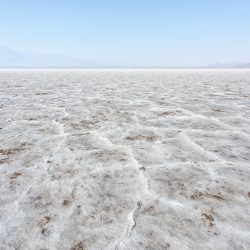
Badwater Basin: Badwater Basin is the lowest point in North America, sitting at an elevation of 282 feet below sea level. Itโ€™s a vast salt flat, stretching over 200 square miles made up of evaporated remnants of a large lake. The pathway itself extends about 5 miles so most people donโ€™t walk all the way out. But, helpful tip, the further you walk, the prettier it gets!

Devilโ€™s Golf Course: Prepare to be amazed by this otherworldly landscape. Devilโ€™s Golf Course a vast terrain made of evaporated salt crystals formed over thousands of years that create a seemingly endless expanse of jagged textures and serrated surfaces. 

Zabriskie Point: This is one of the most photographed locations in Death Valley National Park and it offers spectacular views of eroded badlands painted in vibrant hues. It was apparently named after one of the first 49ers (gold rush pioneers) to visit the area, Christian Zabriskie.

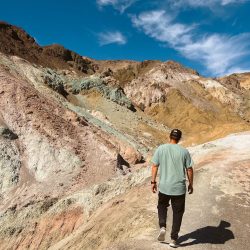
Artistโ€™s Palette: Artist Palette is another well known location for photographers. This landscape bursts with an incredible mix of colors. See hills of deep purples, rich reds, bright yellows, and soft greens created by minerals and oxidation.


Mesquite Flat Sand Dunes: These sandy hills offer a surreal landscape that seems straight out of a dream. Theyโ€™re towering sand dunes that have been shaped by the winds to create a constantly changing canvas of ripples and patterns. While there isnโ€™t an actual trail here, the tallest dune is about 2 miles round-trip and the views from the top are incredible. The best time to experience these shifting hills of sand is either at sunrise or sunset.

Father Crowley Overlook: Father Crowley Overlook is located near the western end of the park. This vista point is a famous spot for fighter jets to practice going through a narrow canyon and the area is actually an official military โ€œlow altitude flight training areaโ€. Yes, like Top Gun.

Best Hikes

Golden Canyon to Red Cathedral: This is a 3 mile, out & back hike that takes you through incredible yellow colored canyon walls, through a slot canyon and out to a red rock amphitheater overlooking the golden hills.

Natural Bridge: Natural Bridge is a 2 mile, out & back hike leading you through a stunning orange rock canyon to a natural rock bridge. Just past the Natural Bridge is what is referred to as a dry waterfall, which is just a sheer cliff where a waterfall once flowed.

Mosaic Canyon: This hike is 3.4 miles, out & back and it leads you through narrow, marble looking canyon walls to another dry waterfall. As you venture into the canyon, youโ€™ll be greeted by stunning rock formations, resembling a mosaic masterpiece.

Darwin Falls: At around 18 feet tall, Darwin Falls is one of the only year-round flowing waterfalls in Death Valley National Park. Itโ€™s a 1.9 mile, out & back trail that leads you through a lush canyon, lined with vibrant vegetation that thrives near this rare flowing water. 

Ubehebe to Little Hebe: Pronounced YOU-bee-HEE-bee, this is a 1.8 mile trail that takes you around the Ubehebe Crater; a large volcanic crater 600 feet deep and half a mile across. About half way through the loop, there is a sign that reads โ€œLittle Hebe” which will direct you over to a second, smaller (and likely younger) crater. 

Flora & Fauna

Death Valley, despite its seemingly harsh and inhospitable environment, is home to a surprising array of unique flora and fauna, each adapted to thrive in this extreme desert landscape. In fact, this desert is actually home to over 1,000 plant species and spring wildflower blooms are a popular attraction and a reason visitors flock to the region each year. Be sure to practice responsible tourism and leave no trace behind. Respect the fragile desert ecosystem by staying on marked trails, not disturbing wildlife, and properly disposing of your waste. Help preserve this natural wonder for future generations to enjoy!

Where to Stay & Eat

Dining and lodging options are relatively limited within and around the park. Furnace Creek is the main hub for lodging and dining where you’ll find the historic Furnace Creek Inn, which offers a luxurious stay with stunning views and upscale dining options. Additionally, there’s the Furnace Creek Ranch, providing more affordable accommodations along with family-friendly dining options at the Wrangler Steakhouse and the Forty Niner Cafe.On the western side of Death Valley, Stovepipe Wells Village offers more rustic and budget-friendly stays, with motel-style rooms and RV camping, and the Toll Road Restaurant, which serves comfort food against the backdrop of nearby sand dunes. Venture outside the park to Panamint Springs Resort for a quieter and secluded experience, with beautiful views of the Panamint Valley and a restaurant serving tasty meals. If you venture a bit further outside the park, you can also find a plethora of vacation rental options to stay at as well.ย Whether you’re a seasoned hiker or a casual traveler, Death Valley promises an unforgettable experience that will leave you with lasting memories from this otherworldly destination. So, pack your bags, hit the road, and get ready for an adventure of a lifetime in Death Valley National Park!

Blogs California Death Valley National Park Other California Deserts

11 Must-Stop Locations in Death Valley National Park

We got so many questions about why on earth weโ€™d want to vacation in Death Valley this spring. But the truth is, itโ€™s such an underrated National Park and the different landscapes and hiking trails were incredible. We managed to pack in so much in just three days. From vast sand dunes, expansive salt flats, dramatic canyons, and dry (and real) towering waterfalls, below is a look at the 11 different stops/hikes we explored during our time in Death Valley National Park.

Golden Canyon/Red Cathedral

This was a 3 miles/out & back hike that takes you through incredible yellow colored canyon walls, through a slot canyon and out to a red rock amphitheater overlooking the golden hills.

Devilโ€™s Golf Course

This is a location where you can park and see, no hiking required. Devilโ€™s Golf Course is a vast landscape of jagged, crystalline salt formations that cover the ground. We even tasted the salt for ourselves. It was named “Devil’s Golf Course” after a 1934 Death Valley guidebook said, โ€œonly the devil could play golfโ€ on this harsh terrain, and the name stuck.

Badwater Basin

Badwater Basin is the lowest point in North America, sitting at an elevation of 282 feet below sea level. Itโ€™s a vast salt flat, stretching over 200 square miles made up of evaporated remnants of a large lake. The pathway itself extends about 5 miles so most people donโ€™t walk all the way out. BUT, the further you walk, the prettier it gets!

Natural Bridge

Natural Bridge is a 2 miles, out & back hike leading you to this natural rock bridge through a stunning orange rock canyon. Just past the Natural Bridge is what was referred to as a dry waterfall, which was a sheer cliff where a waterfall once flowed.

Zabriskie Point

This spectacular view is Zabriskie Point, one of the most photographed locations in Death Valley National Park. It was apparently named after one of the first 49ers (gold rush pioneers) to visit the area, Christian Zabriskie.

Ubehebe Crater

Ubehebe Crater is a large volcanic crater 600 feet deep and half a mile across. This was our 2nd stop on day 2 our hiking adventures in Death Valley and another location where my pictures really donโ€™t do the incredible view a justice. It was also SO windy here!

Artist Palette

Artist Palette is one of the most well known locations for photographers. This landscape bursts with an insane mix of colors. Deep purples, rich reds, bright yellows, and soft greens created by minerals and oxidation.

Mesquite Flat Sand Dunes

Mesquite Flats was definitely one of my favorite stops of the trip and my pictures really donโ€™t to it a justice. It was so pretty. There isnโ€™t an actual trail here, you just park and walk out into the dunes as far as you want to go. The tallest dune (which is where we decided to go) is about 2 miles round-trip and definitely kicks your butt. Walking uphill in sand is HARD. And running down the mountain for funzies afterwards also kicks your butt, but is so worth it.

Mosaic Canyon

This hike is 3.4 miles, out & back and it leads you through narrow, marble looking canyon walls to another dry waterfall. As you venture into the canyon, you’ll be greeted by stunning rock formations, resembling a mosaic masterpiece.

Father Crowley Overlook

Father Crowley Overlook is located near the western end of park. This vista point is a famous spot for fighter jets to practice going through a narrow canyon and the area is actually an official military โ€œlow altitude flight training areaโ€. Think Top Gun.

Darwin Falls

At around 18 feet tall, Darwin Falls is one of the only year-round flowing waterfalls in Death Valley National Park. It was a 1.9 mile, put & back hike and so green along the way. Crazy how we were hiking through a desert canyon that morning and then a lush oasis later that same day.

Ready to plan your own Death Valley excursion now? Yeah, we know.

Hopefully this gave you a little insight on some of the most mesmerizing places to visit inside the park!

As always, travel on my friends.

Blogs California Joshua Tree National Park Other California Deserts

Must-Stops in Joshua Tree National Park

Looking to take a drive through Joshua Tree National Park? Here are my must-stop locations that don’t involve much hiking. The park has three different entrances so be sure to do your research on where each of these stops are located so that you can map out the best route.

Arch Rock

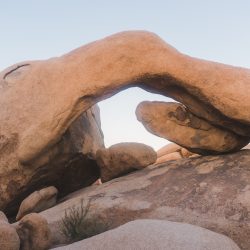
You can reach this iconic site by embarking on a moderate half-mile hike. The trail offers picturesque views of hundreds of Joshua Trees, diverse flora and large rock formations leading to the awe-inspiring rock formation characterized by a natural arch.

Heart Rock

Located in the same area as Arch Rock, Heart Rock can be found with just a half mile walk from where you park your car. The trail will lead you do a sign with one direction pointing towards Arch Rock and the opposite direction pointing towards Heart Rock.

Cholla Cactus Garden

Cholla Cactus Garden is located in the park’s Pinto Basin and showcases a dense congregation of cholla cacti. You can explore the garden via a short quarter-mile walk.

Keys View

At an elevation of 5,185 feet, Keys View in Joshua Tree National Park offers a breathtaking panoramic vista of the surrounding Coachella Valley. Accessible by a short drive from the park’s entrance, this iconic viewpoint provides visitors with a spectacular overlook of the desert landscape, including the Salton Sea, San Andreas Fault, and the distant peaks of San Jacinto and San Gorgonio.

Skull Rock

Skull Rock is a unique rock formation that resembles a skull. The rock’s distinctive shape was carved by wind and erosion.

Jumbo Rocks

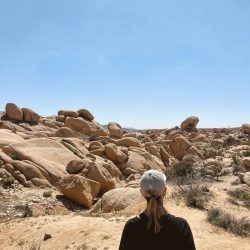
Jumbo Rocks is an area with massive granite boulders. The towering rock formations create a playground for climbers, while hikers can venture through the maze-like formations, and campers can witness stunning sunsets and star-filled night skies.

Barker Dam

Barker Dam is a historical and scenic site that offers a glimpse into the region’s past. This small reservoir was constructed by early cattle ranchers and homesteaders in the late 19th century. Today, visitors can embark on a short hike to reach the dam and explore its surroundings.

Wall Street Mill

Wall Street Mill is also a fascinating historical site.. Accessible via a moderately easy hike, this well-preserved mill stands as a testament to the region’s gold mining era in the early 20th century.

Hidden Valley

Hidden Valley is a picturesque and secluded area within Joshua Tree National Park. Tucked away from the main road, Hidden Valley is accessible via a short walk from the parking area. This enclosed area is surrounded by towering rock formations, creating a natural amphitheater. Hidden Valley is also a popular spot for rock climbing and bouldering

I hope this blog provided some insight on quick stops for an afternoon exploring Joshua Tree National Park. As always, travel on my friends.

Blogs Joshua Tree National Park

Day Trip to Joshua Tree Itinerary

Last weekend my parents and I spent the day in Joshua Tree and here’s what we did.

We met at Joshua Tree Coffee Company at 10 a.m. because every trip to Joshua Tree National Park must begin with a cold brew from JTree Coffee Co. It was packed there that morning (maybe due to Coachella Fest) and my cold brew took quite a while to make. I didn’t have much of a breakfast that morning and noticed a pop-up shop next to the coffee shop serving fresh quiches and wow, best decision. I wish I knew the name of the little place next door but I will say, if they’re always there, go. Run!

My cold brew was fantastic too, of course.

We then drove into the park via the West Entrance, which is about 10 miles east from the city of Yucca Valley. We were there on a Saturday and thought it was going to take a while to get in but the wait was quick. I also bought a new National Park Pass, which I renew every year. If you’re a frequent hiker/traveler, I would highly recommend getting the pass! It’s $80 and most day passes into parks are $30-$40. We live close to Joshua Tree National Park and usually plan a trip to at least one other park each year, making the pass so worth it. It also gets you access to a lot of other state parks and landmarks!

Once inside the Park we headed toward Ryan Mountain, which is located in the central part of the park. We actually had never hiked this trail before and it was tougher and steeper than we thought it was going to be. Ryan Mountain is definitely one of the most rewarding hikes within Joshua Tree National Park though, offering stunning views of the desert landscape from its summit. The trail, which is 3 miles round trip, is clearly marked and easy to follow. It has a total elevation gain of 1,050 feet and the elevation at the top is 5,457 feet. Although the ascent is steep in parts, hikers of all levels can complete the journey. Once at the top, you can take in the awe-inspiring panoramic views of the surrounding desert. We were shocked at how green the landscape looked due to the amount of rain we had this spring. We could also clearly see three snowcapped mountains in the distance: San Jacinto, Big Bear and what we think was San Gorgonio.

After hiking Ryan Mountain, we planned to stop and see two more landmarks within the park (Arch Rock & Heart Rock), which I thought I remembered being in locations where you just park your car, get out and see them…but, I was a bit off unfortunately. We were quite tired from our hike and it was a very sunny day and Arch Rock/Heart Rock ended up being another 1.4 miles out & back. It was an easy route that took another 30 minutes to complete. It sure was pretty though! My parents had never been to Arch Rock and we all hadn’t seen the Heart Rock before.

We ended the afternoon with a celebratory, post hike beer on the patio at Joshua Tree Saloon. We were surprised with beautiful weather and fun live music and delicious iced cold beer.

What a great day! Thanks for reading along.

As always, travel on my friends.

Blogs California

Where to See Wildflowers in Southern California this Spring

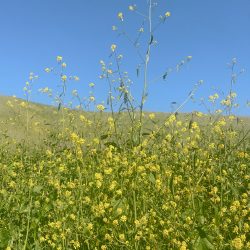
With the unusual amount of rain California has had this winter, nature lovers are expected to see the first Superbloom since 2019. In 2019, Jordan and I were able to hike in Walker Canyon and see the flourish of California poppies coating the hills. It was incredible. I was so sad to learn they closed the trail this year due to the traffic it created and the damage visitor’s caused by trampling the flowers for Instagram worthy pictures. With that closure, I’ve been doing my research, looking up other trails that are supposed to be vibrantly blooming this year and this is sort of just a bucket list blog of places I want to explore this spring rather than an experts guide on where to go and what to see this spring. Let me know if you stopped by any of these locations yet or have any other suggestions!

Indian Canyons – Palm Springs

While I have been here many, many times, I’ve heard the wildflowers are popping right now! Located just a few miles south of downtown Palm Springs, the Indian Canyons are home to a variety of wildflowers that bloom from March to May. There are three canyons within Indian Canyons worth exploring; Murray Canyon, Palm Canyon and Andreas Canyon. Each canyon offers several hiking trails where you can see a wide range of desert wildflowers, including lupine, poppies, and desert marigolds! You can also take a guided tour with a knowledgeable guide who can point out the different species and share interesting facts about the area’s flora and fauna.

Joshua Tree National Park

Joshua Tree National Park is only a short drive from Palm Springs (and about 20 minutes from where I live) and is one of the best places to see wildflowers in the region! The park’s high desert landscape is home to a variety of wildflowers that bloom from February to April, including desert dandelions, Mojave asters, and desert primrose. I keep seeing pictures of the trails starting to bloom and beautiful Joshua Trees lining a soft green landscape and I’d love to hike out there sometime soon!

Anza-Borrego State Park

Located about an hour’s drive southeast of Palm Springs, Anza-Borrego Desert State Park is one of the largest state parks in California and is home to a stunning array of wildflowers. I was actually just here back in January and it was stunning but we did miss the wildflowers. The park’s vast desert landscape is home to a wide range of wildflowers that bloom from February to April, including desert sunflowers, sand verbena, and lupine.

Big Morongo Canyon Preserve

Located about 30 minutes west of Palm Springs, the Big Morongo Canyon Preserve is a protected area of desert habitat that’s home to a variety of wildflowers. The preserve offers several hiking trails that take you through lush canyons and along the streams, where you can see wildflowers such as California poppies, desert marigolds, and lupine. The Morongo Preserve is actually walking distance from where I live in the city of Morongo, near Yucca Valley and Joshua Tree. I actually haven’t made my way over there in quite a while and want to head over soon to see if spring is in full bloom!

Whitewater Preserve

Located about 20 minutes north of Palm Springs, the Whitewater Preserve is a protected area of desert habitat that’s home to a variety of wildflowers. The preserve offers several hiking trails that take you through the lush riparian area and up to the rugged canyons, where you can see wildflowers such as desert dandelion, lupine, and sand verbena. The White Water Preserve is one of my absolute favorite places to hike, especially during spring. There’s a trail, “White Water Ranger Station to Cottonwood TH via the PCT” that allows dogs and is a vibrant green every spring so I can only image what the trail is looking like this year.I can’t wait to go!

Mission Creek Preserve

Located about 20 minutes northwest of Palm Springs in the city of Desert Hot Springs, the Mission Creek Preserve is a protected area of desert habitat that’s home to a variety of wildflowers. The preserve offers several hiking trails that take you through the rugged canyons and up to the high ridges, where you can see wildflowers such as Indian paintbrush, chia, and desert dandelions. This is another area I love to visit because it’s dog friendly and my pups love to play in the fresh water. Last year the hills were a vibrant bright yellow so again, I can only image what they’re looking like this year. I can’t wait to take the pups over there soon.

By the Windmills in Palm Springs

This one isn’t really a hiking area but I keep driving by the windmills off the Interstate 10 on my way to work down in La Quinta and really want to stop one day and snag a few pictures. I read that visitors can see a variety of wildflowers here, including desert sunflowers, sand verbena, and purple mat, which you can see displayed in the carousel post from Greater Palm Springs below!

Chino Hills State Park

Located about 30 miles southeast of Los Angeles, Chino Hills State Park is a beautiful park that’s home to a variety of wildflowers. The park’s rolling hills and canyons are covered in wildflowers in the spring, including California poppies, lupines, and Indian paintbrush. Visitors can see the flowers on the park’s many hiking trails, which offer stunning views of the surrounding landscape. When I look up wildflower locations this spring, Chino Hills State Park keeps popping up as a top location. It’s only about an hour and 15 minutes for me so I’m hoping I can cross this one off my list this year.

Death Valley National Park

Located in eastern California near the Nevada border, Death Valley National Park is a surprising place to see wildflowers in the spring. The park’s lower elevations receive less rainfall than other parts of Southern California, but when conditions are right, wildflowers will bloom vibrantly across the entire desert floor. I am so excited for this one. My family actually has had a trip planned for early May for a while now before even knowing how much rain we’d be getting this winter. It sounds like we will be visiting during the perfect time and the perfect year to see the the wildflowers in full bloom.

Antelope Valley California Poppy Reserve

Located about 75 miles north of Los Angeles, the Antelope Valley California Poppy Reserve is a must-visit destination for wildflower enthusiasts. The reserve is home to the largest remaining stand of California poppies in the state, and the bright orange flowers typically bloom from late February to May. The reserve also offers several hiking trails and picnic areas for visitors. I probably won’t make it out this location since it’s over 3 hours away from me but man, I sure want to. It looks like THE place to see poppies.

Carrizo Plain National Monument

Located in eastern San Luis Obispo County, the Carrizo Plain National Monument is a remote and rugged area that’s home to a wide variety of wildflowers in the spring. Visitors can see a carpet of California poppies, lupines, and other flowers covering the hills and valleys of the plain. The area also offers stunning views of the surrounding mountains and the Temblor Range. This is another location I probably won’t get to check off my list, but wow it looks stunning!

Point Mugu State Park

Located along the coast in western Ventura County, Point Mugu State Park is a great place to see wildflowers in the spring. The park is home to a variety of coastal wildflowers, including California poppies, lupines, and sea figs. Visitors can see the wildflowers on the many hiking trails that wind through the park, offering stunning views of the Pacific Ocean and the surrounding coastline. This is another location that is over 3 hours away for me but the pictures of the poppies with an ocean view, ugh, I would love to explore here.

.

And that completes my list of places I want to explore to see the wildflowers this year! What locations did I miss and have you had the chance to stop by any of these destinations yet?

While I am a summer girl through and through, I do love spring so very much. April is my birth month, and I love when when nature begins to bloom it starts getting warm enough to hit the trails again. May you all have a wonderful and “vibrant” spring this year!

As always, travel on my friends.

Blogs California Other California Deserts

Anza-Borrego Desert State Park Day Trip

I grew up in the Coachella Valley and have never been to Anza-Borrego, nor did I know so many incredible things were out there. We came across a few social media posts showcasing epic adventures and decided to start researching and planning a day trip. Hereโ€™s a guide to all we managed to pack into one fun-filled day!

Location

Anza-Borrego is located in Southern California,ย east ofย San Diego, south ofย Palm Springs, and west of theย Salton Sea. If you’re familiar with off-roading, it’s just minutes away from Ocotillo Wells.

Weather

Summers are very hot and dry with temperates often in the triple digits. Fall and spring temperates usually range from the mid-70’s to low-90’s and winter temperates tend to be chilly in the mornings (low 40’s) and perfect 70’s in the afternoons with occasional rain. We visited at the end of January and experienced great weather. If you want to see the wildflowers in full bloom, visit end of February through March depending on how much rain the area has had that winter!

Day Trip Itinerary
Slot Canyons

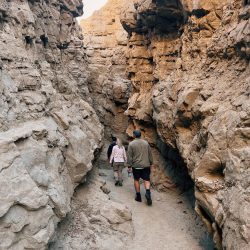
We began our day bright and early on a Saturday morning in January. We arrived at the slots around 8:30AM. We read a recommendation to start with the slots early morning as traffic through the canyon gets busier come late morning. The slots reminded me of a less bright orange/red version of Antelope Canyon; truly a hidden gem in the middle of the desert

  • Trailhead address:ย Borrego Mountain Wash,ย Anza-Borrego Desert State Park,ย Borrego Springs,ย CAย 92004
  • Distance:ย 1 mile out & back (or 2.2 miles if you do the full loop)
  • Difficulty:ย Easy
    Total Ascent:ย 100 feet (or 330 feet if you do the full loop)
  • There’s a $10 cash only parking fee
  • There are 2 restrooms at the parking lot
  • No dogs allowed
Wind Caves

After Slot Canyon, we headed over to the Wind Caves. Wind Cave Trail is another short hike, about 1.25 miles round trip, taking you to these incredible rock formations with big holes that you can actually climb through. To get to the trail, you’re require to drive on a dirt road for about 4 miles. You will need a vehicle with 4-wheel drive. We drove in a Kia with 4WD and it was still very rocky and bumpy in some areas.

  • Trailhead address:ย Fish Creek Wash,ย Anza-Borrego Desert State Park,ย Borrego Springs,ย CAย 92004
  • Distance:ย 1.25 miles out & back
  • Difficulty:ย Easy
    Total Ascent:ย 250 feet
  • Free parking
  • No dogs allowed
Processed with VSCO with e2 preset
Borrego Palm Canyon Trail

After the wind caves, we headed for our final hike of the morning, Borrego Palm Canyon Trail. If you ‘re familiar with Palm Springs, this trail, just like its name suggests, reminds me a lot of the Palm Canyon trail in Indian Canyons. It takes you to a neat palm oasis in the middle of the desert. My mom printed out this numbered guide that corresponded with 15 numbered markers along the trail that gave information on the surrounding area, which was fun to follow along with. To reach the trailhead, you must drive throughย the entrance of Borrego Palm Canyon Campground, which requires a $10 dollar fee. If you’ve already paid at the Slot Canyons, show the ranger and they’ll provide you with a pass, no extra charge.

  • Trailhead address: Borrego Palm Canyon Campground,ย Anza-Borrego Desert State Park,ย Borrego Springs,ย CAย 92004
  • Distance:ย 3 miles out & back
  • Difficulty:ย Rate moderate
    Total Ascent:ย 300 feet
  • 10 dollar parking fee
  • No dogs allowed
Lunch in Town

After our final hike of the day we head to the actual town of Borrego Springs to have lunch. We ate at a place called Carlee’s I believe?

Galleta Meadows

From there, we then drove over to the famous sculptures most often seen in pictures of Anza-Borrego. Artist/welder Ricardo Breceda, crafted over 130 metal sculptures scattered around the area. Interesting to say the least.

Fonts Point Overlook

Finally, we ended the day with an incredible view at Fonts Point Overlook. We almost missed it because again it required another 4 miles of off-roading and the directions we had were not correct. We had given up and were driving home when we saw the correct turn off sign and decided to go for it. Wow, was it so worth it. Here you’ll find an incredible overlook into the Borrego Badlands. People also say sunrise and sunset are spectacular there.

  • Address: From Christmas Circle in Anza Borrego, head out on S-22 for ten miles. Right after the 29-mile marker, you will see a dirt road on the right and a sign that says Fontโ€™s Point, 4 miles. This is where you will turn and start the off-roading to Fontโ€™s Point.ย 
  • Distance:ย Requires a 4 mile drive on a dirt road to get there
  • 4WD Needed
  • Free
  • Dog-Friendly

We really managed to pack in just about everything there is to see and do in Anza-Borrego in one day. Such a fun day trip!

As always, travel on my friends.